Pages

Showing posts with label Linkedin. Show all posts

Monday, September 14, 2026

Book Review: The Nozempic Diet

The Nozempic DietThe Nozempic Diet by Kim Pearson
My rating: 5 of 5 stars

The Nozempic Diet presents an eight-pillar approach to weight management that aims to harness the body’s natural appetite and satiety mechanisms without relying on GLP-1 medications. Author Kim Pearson, a nutritionist, focuses on practical habits such as prioritizing protein and fiber, incorporating healthy fats, timing meals to align with the body’s circadian rhythm, getting adequate sleep, and reducing foods and behaviors that may contribute to cravings and overeating.

Basics of the Plan
• Eat three meals a day at regular intervals, 4 – 5 hours apart
• Eat one portion of protein at each meal (150g)
• Eat four portions of healthy fat per day (1tbsp oil or nut butter– 1 portion; 2 tbsp seeds = 1 portion; 20g nuts = 1 portion)
• Eat a minimum of six portions of vegetables/salad per day
• Eat up to 2 portions of fruit per day with meals
• Use healthy seasonings, sauces, and dressings to add flavor to dishes
• Drink a minimum of 1.5 liters of filtered water per day
• Avoid sugar, starchy carbs (bread, pasta, noodles), ultra-processed foods, most condiments (BBQ sauce, store-bought dressings), fruit juice, soda, alcohol

The book is practical and actionable with useful tools, such as the seven-day plan, a troubleshooting section, 50+ recipes, accommodations for men and intermittent fasting.

This approach may not work equally well for everyone. In addition to dietary habits, weight regulation is influenced by genetics, medications, medical conditions, environment, sleep, stress, activity, and socioeconomic factors. This book is not a substitute for individualized care for those considering or currently taking GLP-1 medications.

View all my reviews

Thursday, August 13, 2026

Book Review: The Good Life

The Good Life: Lessons from the World's Longest Scientific Study of HappinessThe Good Life: Lessons from the World's Longest Scientific Study of Happiness by Robert Waldinger
My rating: 4 of 5 stars

The Good Life explores a timeless question: what makes life happy and fulfilling? Drawing on more than 80 years of research from the Harvard Study of Adult Development, the authors argue that strong, meaningful relationships are the most consistent predictor of health and happiness. The book offers an engaging overview of relationships in many forms—family, friendships, coworkers, partnerships, and everyday social interactions—while also drawing on insights from philosophy, psychology, public health, and related research.

While the book is thoughtful and accessible, readers seeking a deeper explanation of the study’s design, statistical methods, or broader contributors to happiness may find the analysis somewhat limited. Even so, its central message is practical and memorable: small, intentional efforts to nurture connection can improve both our own lives and the lives of others. By the end, the book makes the importance of relationships feel not only convincing but also actionable.

I particularly enjoyed the personal stories--fascinating and really resonate emotionally with the reader. Additional notable highlights include mapping your social universe, the W.I.S.E.R. model for difficult interactions, and practical ways to strengthen your relationships.

View all my reviews

Friday, June 26, 2026

Book Review: Change the Recipe

Change the Recipe: Because You Can't Build a Better World Without Breaking Some Eggs – The New York Times Bestselling Chef's Life Lessons on Food and Humanitarian ActionChange the Recipe: Because You Can't Build a Better World Without Breaking Some Eggs by José Andrés
My rating: 3 of 5 stars

This book is a collection of life lessons from chef, humanitarian, and World Central Kitchen founder José Andrés. Drawing on experiences in professional kitchens, disaster response, and decades of bringing people together through food, Andrés shows how cooking can foster resilience, compassion, innovation, and community. He believes strongly that food is far more than nourishment; it is a powerful force for connection and positive change.

One of the book's central messages is that meaningful change often requires adaptability and a willingness to embrace uncertainty. Andrés encourages readers to "change the recipe" when circumstances demand it—whether in the kitchen, at work, or in life. We need to stay curious, put people first, and solve problems creatively. His stories reinforce that sharing meals, reducing waste, supporting communities, and responding with generosity are practical ways for everyone to make a difference.

This book is recommended for all readers who want to be inspired and reminded that we can use food to make a difference in our health and the health of those around us. I found it easier to read just one chapter a day, so as not to tire from all of the lessons. Overall, Andrés is an amazing human, and I enjoyed learning more about him.

View all my reviews

Sunday, June 7, 2026

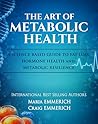
Book Review: The Art of Metabolic Health

The Art of Metabolic Health: A Science Based Guide to Fat Loss, Hormone Health and Metabolic ResilienceThe Art of Metabolic Health: A Science Based Guide to Fat Loss, Hormone Health and Metabolic Resilience by Maria Emmerich
My rating: 5 of 5 stars

Authors Maria and Craig Emmerich explore the science of metabolism, body composition, hormone balance, and long-term health. They examine why many people struggle with weight management, low energy, cravings, and metabolic disorders despite efforts to follow healthy eating patterns.

A key message of the book is that no single dietary approach works for everyone. The Emmerichs review a range of nutritional strategies—including low-carbohydrate, ketogenic, and higher-protein eating patterns—and emphasize tailoring recommendations to an individual's health status, goals, and stage of life. They also address factors that can influence metabolic health, such as menopause, chronic stress, and inflammation.

The book has 14 chapters covering how we got fat and sick, fuel, macronutrients, diets, fasting, fat loss, hormones, problems and solutions, supplements, protocols, and biohacking.

The book encourages readers to move beyond calorie counting and focus on the factors that influence metabolic function.

This is an excellent resource.

Don’t be overwhelmed by the amount of information. There are many protocols and supplement suggestions; be sure to consult your doctor before starting a regimen.

View all my reviews

Monday, March 23, 2026

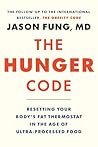
Book Review: The Hunger Code

The Hunger Code: Resetting Your Body's Fat Thermostat in the Age of Ultra-Processed FoodThe Hunger Code: Resetting Your Body's Fat Thermostat in the Age of Ultra-Processed Food by Jason Fung
My rating: 5 of 5 stars

Dr. Fung reinforces timeless dietary advice: reduce intake of ultra-processed foods, avoid constant eating, and build social connections that support healthy habits. He explores the three types of hunger—homeostatic, hedonic, and conditional—explaining their underlying causes and offering solutions to address them. Understanding these root causes can help guide effective solutions. Dr. Fung demonstrates how factors like food structure, digestion, absorption, and hormones influence weight.

In part four of the book, How to Manage Hunger, readers will find the most practical suggestions in three chapters: Making Weight Loss Automatic, Unlocking the Secrets of Success—Your Mindset and Your Habits, and Putting the Golden Rules of Weight Loss into Action.

The book is easy to understand and includes 50 tips boxed throughout the text and compiled at the end. It uses good analogies to explain concepts. Key information is highlighted in bold to catch the reader's eye.

While Dr. Fung is recognized for his fasting protocols, this isn't the focus of the book. His humor and choice of words might put off some readers.

I would recommend this book for all readers.

View all my reviews

Friday, January 23, 2026

Book Review: The 5 AM Club

The 5AM Club: Own Your Morning. Elevate Your Life.The 5AM Club: Own Your Morning. Elevate Your Life. by Robin Sharma
My rating: 3 of 5 stars

It makes sense if you start your day super early and have a set routine, you'll probably feel more accomplished and less stressed. I didn't love the fictional part of the book, but overall it is worth reading and worth testing out the 20/20/20 formula.

Summary: The 5 AM Club suggests that waking up early regularly creates protected time for personal growth. Through a fictional story, the book introduces the 20/20/20 formula: 20 minutes of movement, 20 minutes of reflection, and 20 minutes of learning. Robin Sharma’s main idea is that small, consistent morning habits build up over time, boosting focus, energy, and long-term performance by decreasing reactivity and decision fatigue later in the day.

You can expand on this formula by adding nutrition habits; this helps make healthier food choices feel automatic rather than hard, leading to sustained energy, focus, and metabolic health throughout the day. For example, batch-cook roasted vegetables and soups on weekends, so healthy lunches are ready during the week. Another tip: Make your first meal of the day savory to improve blood sugar control and prevent spikes and crashes.

Advantages: Starting the day with the first hour dedicated to essential tasks makes sense before distractions set in. You feel a sense of accomplishment, which boosts your mood and reinforces a more disciplined lifestyle.

Disadvantages: Getting up at 5 am might not be feasible for everyone without affecting others. Or maybe you wake up at 5 am to handle other essential tasks, such as making and packing lunches or attending early meetings. Also, you shouldn’t shortchange yourself on sleep; waking at 5 am means being in bed by 9 pm, which isn’t always possible. Social events or sleep may have to be sacrificed in pursuit of the 5 am club.

This book is unlike most self-help books. Readers might feel impatient as the story unfolds and reveals the promised principles. The lengthy narrative may cause some sections to be skimmed.

Overall, the book is recommended for those seeking guidance on morning routines and productivity. If you can commit to this regimen or a similar one, be prepared to go to bed early, consider how it might impact those around you, and prioritize your health and well-being through the process.

View all my reviews

Friday, December 19, 2025

Book Review: Feeding Littles Lunches

Feeding Littles Lunches: 75+ No-Stress Lunches Everyone Will Love: Meal Planning for KidsFeeding Littles Lunches: 75+ No-Stress Lunches Everyone Will Love: Meal Planning for Kids by Megan McNamee
My rating: 3 of 5 stars

This book provides a practical, stress-reducing guide to creating child-friendly lunches with simple ingredients and adaptable meal formulas. Feeding experts Megan McNamee, MPH, RDN, and Judy Delaware, OTR/L, CLC, emphasize responsive feeding, exposing children to a variety of flavors, and giving parents tools to navigate picky eating without pressure.

There are plenty of visual examples, easy preparation strategies, and nutrient-focused ideas to help families make lunches that are colorful, satisfying, and developmentally appropriate—whether packed for school or served at home. Each lunch idea includes a prep tip, an allergy tip, a toddler tip, a picky eating tip, and a vegetarian swap (if applicable).

The book incorporates practical tips on portion expectations, reducing food waste, addressing appetite differences, and managing mealtime dynamics in school settings.

This isn’t a traditional cookbook or a book focused on providing optimal nutrient-rich options. It’s about assembling meals from leftovers, ready-to-eat items, or store-bought products. The reader is encouraged to adapt the lunches to their kids’ hunger levels, appetites, and location (home, daycare, school). This book is highly recommended for parents seeking lunchtime inspiration.

View all my reviews

View review on LinkedIn. 


Monday, September 15, 2025

Book Review: Animal, Vegetable, Junk

Animal, Vegetable, Junk: A History of Food, from Sustainable to Suicidal: A Food Science Nutrition History BookAnimal, Vegetable, Junk: A History of Food, from Sustainable to Suicidal: A Food Science Nutrition History Book by Mark Bittman
My rating: 3 of 5 stars

Be prepared for a lot of history and a bleak picture of our food systems. I'd recommend everyone read this. We need change at the personal level (for your health and to support those doing good work) and at the macro level (policies, reform, and global cooperation).

Food writer and journalist Mark Bittman presents a comprehensive history of human food systems, tracing their development from foraging and farming practices to the modern industrialized food economy. He argues that the way humans grow, process, and consume food has always shaped societies, economies, and environments— and today’s food system, dominated by commercial agriculture and ultra-processed “junk” foods, has become unsustainable and harmful.

There are three parts: Part I: The Birth of Growing covers the shift from hunter-gatherer societies to the rise of agriculture, settlement patterns, and farming methods. Part II: The Twentieth Century examines technological progress, colonization, and industrial farming, emphasizing how these boosted production but also led to the exploitation of workers, animals, and ecosystems. Cash crops, monocultures, and colonial food systems prioritized profit over nourishment, laying the foundation for current injustices. Part III: Change explores resistance, the current situation, and the future path. Bittman advocates for regenerative agriculture and diversified farming, strong food policies based on sustainability and equity, and a shared responsibility for systemic reform that benefits both farmers and consumers.

If you're not interested in history or detailed accounts, you might skim through some sections. A bleak picture is painted until the last chapter, where several solutions are offered that give some hope.


View all my reviews

Tuesday, July 8, 2025

Book Review: Life Styled

LifeStyled: Your Guide to a More Organized & Intentional LifeLifeStyled: Your Guide to a More Organized & Intentional Life by Shira Gill
My rating: 4 of 5 stars

This is a practical guide to intentional living—making deliberate decisions and taking actions that align with your core values. The author’s background in minimalism provides a straightforward, organized way to reduce physical, digital, and mental clutter, create systems to support goals, and develop sustainable habits. She applies these tools as a framework across five key areas: health and wellness, home and environment, relationships and community, career and finance, and personal development. Specific prompts and strategies are included to help implement improvements.

The book is designed so that you can revisit individual chapters at any time to recalibrate as your values and priorities change and evolve.

The book provides incremental steps and plenty of client examples. The “try it,” “quick wins,” and “bottom line” are helpful for reflecting, taking notes, and taking action.

The Health and Wellness chapter describes how to improve your physical and mental health with simple, effective habits that deliver strong results. It highlights five health helpers: (1) identify your fuel foods; (2) eat your veggies; (3) stay hydrated; (4) get moving; and (5) prioritize sleep. It also covers nine mental health boosters that include strategies like going outdoors, trusting your feelings, practicing self-care, seeking support, and more.

The suggestions for setting up smart systems are doable. For example, make standing wellness appointments. “Be proactive, invest in your health, and book your preventive care in advance, automating repeat appointments as you are able” (p. 94). Another example is her three-step method for eating healthfully: plan ahead, stock up on fueling foods, and prep in advance so they are visible and ready to eat.

Most people will not see these concepts as new or innovative. It may be overwhelming to read it cover-to-cover and go through every prompt, tip, and actionable baby step. Instead, the author recommends identifying the major life area where you want to make strides and start there.

View all my reviews
LinkedIn review

Saturday, July 5, 2025

Book Review: Easy Meal Prep

Easy Meal Prep: Save Time and Eat Healthy with Over 75 RecipesEasy Meal Prep: Save Time and Eat Healthy with Over 75 Recipes by Erin Romeo
My rating: 3 of 5 stars

This book is a practical, health-focused introduction to meal prepping. Author Erin Romeo presents a straightforward five-step process of planning, shopping, prepping, cooking, and storing.

Five customizable meal-prep plans—high-protein, low-carb, vegetarian, gluten-free, and dairy-free—ensure readers can eat healthily regardless of their needs. Over 75 simple recipes cover breakfasts, mains, snacks, sides, dressings, dips, and sauces. Along with menu ideas, the author offers essential pantry and tool checklists, food planning tips, container guides, storage tricks, and budget-friendly shortcuts to tackle takeout temptation.

5-Step Process
1. Get containers
2. Grocery shop
3. Clean and cut
4. Cook
5. Portion and pack

The five-step process is designed to be straightforward and adaptable, catering to the needs of individuals or families while supporting your health objectives. You don’t have to prep for an entire week; you can start with just one meal during the work week. The author provides “pro prep tips” for ultimate time saving and efficiency.

As the title indicates, this book is ideal for beginners with easy, quick-prep recipes. For readers with an established meal prep routine, the basics and step-by-step breakdowns might seem too simple or repetitive. And, while there is a good variety of recipes, they may not appeal to all preferences and tastes or may be too simple for more advanced cooks or chefs. Be sure to double-check if the recipes fit within your parameters. For example, the low-carb plan has recipes with bread, tortillas, and dates; there are no carb counts for the recipes.

While the book includes some photos for inspiration, not every recipe has a picture, which can be a downside for visual cooks who like to see what the final dish should look like.

View all my reviews

Friday, May 23, 2025

Book Review: Shred Happens

Shred Happens: So Easy, So Good: 100+ Protein-Packed Mediterranean Favorites with a Low-Carb Twist; A CookbookShred Happens: So Easy, So Good: 100+ Protein-Packed Mediterranean Favorites with a Low-Carb Twist; A Cookbook by Arash Hashemi
My rating: 5 of 5 stars

The author shares his journey to regaining his health and a better relationship with food. In addition to losing 100 pounds, he taught himself how to cook and shares 100+ recipes inspired by his Persian roots, Mediterranean favorites, and crave-able global cuisines.

Nine chapters cover shareable plates, spreads and dips, salads, mains, pasta and rice, power bowls, sauces and salsas, spice blends, and desserts.

Author’s Food Philosophy
1. Consistency versus intensity: Make small, sustainable changes that can be maintained
2. Continuous improvement: Minor improvements over time, compound and lead to profound positive change
3. Community: Celebrate and share food together
4. Bring on the flavor: Don’t settle for bland or boring meals, experiment with global cuisine, try new recipes from different cultures, and seek new produce
5. Make it easy and accessible: Fit it into your day-to-day lifestyle; have the essential ingredients on hand, and experiment with flexible and versatile recipes
6. Fuel right, feel good: Focus on nourishing foods; find the right balance between indulgence and taking care of your body

The author’s story is relatable for anyone who has struggled with their weight and yo-yo dieting. The recipes include prep time, cook time, and servings. While the author follows a low-carb lifestyle, he notes where regular rice and pasta can be substituted. You do not have to follow a low-carb diet in order to enjoy the recipes. The introduction for each recipe conveys his passion and kind spirit. The photographs are beautiful and inspirational.

This book is not for you if you do not like Mediterranean cuisine. And, if you are left wanting more recipes, you can follow him on Instagram, @shredhappens. I am not a foodie, but I thoroughly enjoy his posts on Instagram.

View all my reviews

Tuesday, March 18, 2025

Book Review: The New Rules of Aging Well

The New Rules of Aging Well: A Simple Program for Immune Resilience, Strength, and VitalityThe New Rules of Aging Well: A Simple Program for Immune Resilience, Strength, and Vitality by Frank Lipman
My rating: 4 of 5 stars

This book provides a practical, holistic approach to healthy aging in a digestible, easy-to-follow format. The guidelines cover physical, mental, and emotional well-being that applies to anyone looking to improve their quality of life in their later years.

The chapters are organized by levels: (1) The Essentials; (2) Easy Adds; (3) Focus on Food; (4) Fitness and Rest; (5) Deeper Wellness; (6) Everyday Habits; and (7) Inner Health.

This is a quick and easy read; the tone is encouraging and positive. While many concepts are covered, they don’t get too technical or deep to lose the reader. Specific recommendations and additional resources are provided. The case studies with questions to consider at the end of each level are relatable and reinforce the concepts covered.

Some recommendations may not resonate with the reader or are beyond what they might be willing to try or spend money on. Also, the author provides statistics and references “studies” without citations. The recommendations would carry more weight with supporting science behind them. I couldn't give the book 5 stars without the references.

The book is geared toward readers in their 40s and older; younger audiences may not feel the advice applies to them.

View all my reviews  

Check out the review on LinkedIn


Sunday, January 5, 2025

Book Review: Make It Easy

Make It Easy: A Healthy Meal Prep and Menu Planning Guide—A CookbookMake It Easy: A Healthy Meal Prep and Menu Planning Guide—A Cookbook by Danielle Walker
My rating: 4 of 5 stars

This book will guide you through the process of menu planning and prepping. It is full of general cooking tips, in addition to easy recipes that are free from grains, gluten, and lactose.

There are three parts. In part 1, Getting Started, discover which meal-prepping persona you are and how to navigate this new world of freezer meals, reheating tips, stocking your pantry, tools and appliances, and basic recipes. In part 2, 15 Weeks of Meal Plans, take advantage of shopping lists, ingredient combinations to reduce waste, and less time and stress in the kitchen. Part 3, More Recipes, offers back-pocket dinners and make-ahead meals.

If you are looking for a guidebook to teach you how to plan your meals to reduce your stress and time in the kitchen while still providing nourishing meals to your family, this book is for you.

There are many practical items, such as the stock your pantry and freezer checklist, shopping list QR codes, meal plan QR codes, notes, shortcuts, and make-ahead options. Her website also offers an updated list of her favorite and trusted brands.

The author mentions that her seasonings are Whole30-approved; the reader may not know what the Whole30 program or approval means. Also, if you are new to this author, she believes in grain-free and gluten-free living but doesn’t explain why.

View all my reviews

Read the review on LinkedIn. 

Sunday, September 29, 2024

Book Review: Rethinking Diabetes

Rethinking Diabetes: What Science Reveals About Diet, Insulin, and Successful TreatmentsRethinking Diabetes: What Science Reveals About Diet, Insulin, and Successful Treatments by Gary Taubes
My rating: 4 of 5 stars

This is a detailed investigation into the history of diabetes (type 1 and type 2) research and treatment. Before the discovery of insulin, diabetes was treated almost entirely through diet, from meat and reliance on fats to repeated fasting and near-starvation regimens. After two centuries of differing medical advice, most authorities today think diabetics can have the same dietary freedom as the rest of us if insulin therapy and other blood-sugar-lowering medications are used. Unfortunately, these guiding principles have been associated with a dangerous rise in diabetes over the last 50 years.

The author argues for a refocused diet—fewer carbohydrates and more fat—and reduced reliance on insulin and other medications. He also suggests that doctors and medical researchers turn their attention to clinical trials and not be afraid to challenge established wisdom.

I highly recommend this book to anyone interested in diabetes or diagnosed with pre-diabetes or diabetes type 1 or type 2.

The author, Gary Taubes, is well known for his investigative reporting, and this book provides a deep dive into diabetes.

Even if you know what you are getting into and are a fan of the author’s work, it can be a bit overwhelming as you go through the book.

View all my reviews
View the review on LinkedIn

Thursday, September 5, 2024

Book Review: Good Energy

Good Energy: The Surprising Connection Between Metabolism and Limitless HealthGood Energy: The Surprising Connection Between Metabolism and Limitless Health by Casey Means
My rating: 4 of 5 stars

Good energy means your cells can function and support your physical and mental health. This book aims to show you how to maximize this good energy and thus, feel better, prevent disease, and perform optimally.

Part 1: The Truth about Energy explains metabolism, the causes of disease, and being proactive for your own health. In part 2: Creating Good Energy, the author provides tools and strategies to address eating, sleeping, moving, and toxins. There are also three primary sources of “bad energy” foods that should be avoided: refined added sugar, refined industrial vegetable and seed oils, and refined grains. Part 3 is a four-week, prescriptive plan with a baseline quiz, detailed lists, and action items. Part 4 is a sampling of good energy recipes.

Dr. Means offers stories and lessons learned through her experience in the medical system and highlighting expert health leaders. Don’t get bogged down with the number of recommendations; choose what resonates most with you, the doable habits, and the sustainable actions.

I highly recommend this book to those interested in learning about underlying causes and improving their health. Some of the most valuable resources Dr. Means includes are a chart on analyzing a standard blood test (normal and optimal ranges), a key micronutrient for good energy chart, a list of the best antioxidant sources, a list of the best omega-3 foods, a list of the best ways to get fiber, and a chart on building good-energy meals components.

Six Principles of Good Energy Eating
1. Food determines the structure of our cells and microbiome
2. Eating is the process of matching cellular needs with oral inputs
3. Food is how you communicate with your cells
4. Extreme food cravings are feedback from your cells that you’re giving mixed messages
5. Ignore diet philosophies and focus on unprocessed food
6. Find awe in food (p. 137)

This book contains a great deal of information that is presented thoughtfully and thoroughly. If you are looking for a prescriptive plan, this book has it. The downside may be that the amount of info becomes overwhelming.

View all my reviews

Wednesday, June 5, 2024

Book Review: Real Self-Care

Real Self-Care: A Transformative Program for Redefining Wellness (Crystals, Cleanses, and Bubble Baths Not Included)Real Self-Care: A Transformative Program for Redefining Wellness by Pooja Lakshmin
My rating: 3 of 5 stars

Self-care is effective when it is personalized to meet your needs. It is not a substitute for medical or mental health intervention. I'd recommend this book to someone addicted to "faux" self-care and still searching for the answer.

The author proposes four core principles in order to implement real self-care.
1. Set boundaries
2. Treat yourself with kindness and compassion
3. Connect with your core values and goals
4. Activate the power within to take control of your life

There are two parts. Part I: The Tyranny of Faux Self-Care, covers how faux self-care hasn’t saved us, why it is so easy to turn to faux self-care, and how the system is broke. In Part II: Real Self-Care is an Inside Job, the author dives deeper into the four principles of real self-care.

“Do not shy away from taking this time to learn how to look after your own well-being…I will invite you to take a close look at how you spend your time and how you talk to yourself, so you can make clear decisions about aligning your behaviors with what matters most to you” (pp. xxiii).

The objective is to come away with clarity on how to develop practices that are nourishing and transforming. These same principles can and should be applied to your physical health as well.

This book is rich with actionable tools and exercises for applying these principles. I like how she has included an appendix listing all the exercises throughout the book and also providing information on seeking professional help. Key concepts and summaries are boxed out for emphasis and easy review. There is a helpful Real Self-Care Thermometer to measure your capacity to identify and communicate your boundaries in various situations.

This is not a quick read. To get the most from it requires time to think through and implement these four principles. The activities and self-reflections can be overwhelming.

View all my reviews
Read review on LinkedIn. 

Thursday, May 30, 2024

Book Review: The Secret Life of Groceries

The Secret Life of Groceries: The Dark Miracle of the American SupermarketThe Secret Life of Groceries: The Dark Miracle of the American Supermarket by Benjamin Lorr
My rating: 5 of 5 stars

This book unveils our food system—the supply chain, the people, production details, marketing, and the business of making stores successful. Get the insider story of Trader Joe’s founder, Joe Coulombe, one of the beloved grocery chains with an almost cult-like following.

There are six parts: Part I: Salad Days at Trader Joe’s; Part II: Distribution of Responsibility; Part III: Self-Realization through Snack; Part IV: The Retail Experience; Part V: When I look in My Window: Backstage in the Theater of Retail; and Part VI: The Bottom of the Commodity Chain.

“This book is about the grocery store. About the people who work there and the routes of supply that define it. It is the product of five years of research, hundreds of interviews, and thousands of hours tracking down and working alongside the buyers, brokers, marketers, and managers whose lives and choices define our diet” (pp. 4-5).

“So, within a century, we have cut rates of hunger and nutritional deficiency to historic lows, reduced food-borne illness to a rounding error, and democratized food that was once the height of luxury into fare for everyday consumption. And we have been so successful in all those endeavors that we now grapple with a series of problems entirely unprecedented in the history of humanity: of too much food, of using food to distribute ethical responsibility, of food as a proxy for control in our own increasingly detached lives” (p. 6).

This book will force you to consider the food industry, the consequences of our purchasing power, and solutions for improving this food system. I highly recommend it to anyone who buys groceries. I hope you will be inspired to support local farmers, shop local, and focus on the least processed, most nutritious options.

View all my reviews
See this review on LinkedIn.

Friday, May 10, 2024

Book Review: Reworked

Reworked: Health and Happiness at the Centre of Your CareerReworked: Health and Happiness at the Centre of Your Career by Stephanie Fitzgerald
My rating: 5 of 5 stars

The employee should be at the center of the workplace and be happy, healthy, safe, and engaged. These four components are key to a thriving workplace well-being for both the employer and the employee.

This book has 15 chapters covering money, physical and psychological safety, stress, burnout, management, teamwork, workspace considerations, a chapter on quitting, and more. Dr. Fitzgerald prompts you to use the techniques outlined in the book to improve your well-being at work. “Keep close the knowledge of what works for you and how you reworked your work life to keep yourself happy, healthy, safe and engaged. Never settle for anything else” (p. 239).

The book is easy to read, keeping concepts, tips, stories, and activities boxed out for the reader to notice easily. Take the time to read these. Reflect. Do the work. I especially like the chapter summaries. You will be inspired and prompted to move forward. While there is not a specific chapter on nutrition, the overall theme of achieving workplace well-being and the techniques presented can also be applied to how you nourish your body.

Some advice may not be what you were expecting. For example, your mental health is not your employer’s or manager’s responsibility. Also, be ready to look in the mirror… maybe you are playing a dominating role in the toxic team energy.

The author’s expertise as a psychologist is in mental health, i.e., there is little practical information on improving nutrition or physical health. Generally, if you are happy, healthy, safe, and engaged, you can make good food choices at work and not self-medicate through food and alcohol, and your health should not negatively impact your work and vice versa.

View all my reviews
Read the review on LinkedIn.

Wednesday, April 24, 2024

Book Review: Outlive

Outlive: The Science and Art of LongevityOutlive: The Science and Art of Longevity by Peter Attia, MD
My rating: 4 of 5 stars

This book has been on my list for a while. Years ago, I heard the author on some podcasts but didn't connect with his vibe and personality. Also, the length of the book was a bit offputting. However, I am so glad I finally picked this one up. In fact, I have the Kindle version and also listened to the audio version. I recommend this to anyone interested in aging better.

This book focuses on how we can live longer and better. Through research, anecdotes, and personal experiences, Dr. Attia communicates complex processes and ways to prevent, mitigate, treat, or reverse diseases. His three-part approach to longevity includes having a clear objective, using a science-based strategy, and having tools and tactics to implement your longevity goals.

The book serves as a guide addressing exercise, diet, sleep, emotional health, and exogenous molecules (i.e., drugs, hormones, supplements). You will be inspired to think about prevention, your uniqueness, and honestly assessing your health status.

“My goal is to create an actionable operating manual for the practice of longevity. A guide that will help you Outlive…with enough time and effort, you can potentially extend your lifespan by a decade and your healthspan possibly by two…my intent here is not to tell you exactly what to do; it’s to help you learn how to think about doing these things” (p. 18).

There is a ton of information—something for everyone—that you can learn and apply to improve your life and health span. The book is thorough. The author’s tone is encouraging, and he achieves his goal of providing both the knowledge and tools to increase longevity and “outlive.”

For some, it may be overwhelming. One of the most interesting sections for me was the chapter on mental health and the author’s journey. I wish he had addressed this domain first. Also, this is not a step-by-step guide; information is provided, and then you have to create your own action plan tailored to you. You have to put the work in to benefit from Medicine 3.0—prevention, individuality, and honest assessment.


View all my reviews. Read the full review with key highlights on LinkedIn.

Wednesday, January 17, 2024

Book Review: Calm Your Mind with Food

Calm Your Mind with Food: A Revolutionary Guide to Controlling Your AnxietyCalm Your Mind with Food: A Revolutionary Guide to Controlling Your Anxiety by Uma Naidoo
My rating: 3 of 5 stars

There is a connection between the food you eat and how it affects your brain and your body. This book explains how anxiety may be rooted in our brain, our gut, our immune system, and our metabolism and how to fix this so our minds are calm and functioning correctly. Dr. Naidoo, a board-certified nutritional psychiatrist, provides guidelines to apply the six pillars for calming the mind, personalizing a meal plan, and improving your overall mental well-being.

This book has three parts: The Problem, The Solution, and The Protocol. This book is recommended to anyone dealing with anxiety and new to nutrition.

6 Pillars to Calm Your Mind
1. Eat whole to be whole
2. The calming kaleidoscope plate
3. Magnify micronutrients
4. Prioritize healthy fats
5. Avoid anxiety-triggering foods
6. Find consistency and balance

This book is well-organized, well-researched, and presented in a friendly, relatable tone. Dr. Naidoo explains each concept thoroughly with many patient examples. A whole chapter is dedicated to recipes, including a lavender play dough (nonedible) recipe.

Overall, the concepts are not new.


View all my reviews on Goodreads; read this review, including highlights, on LinkedIn.